


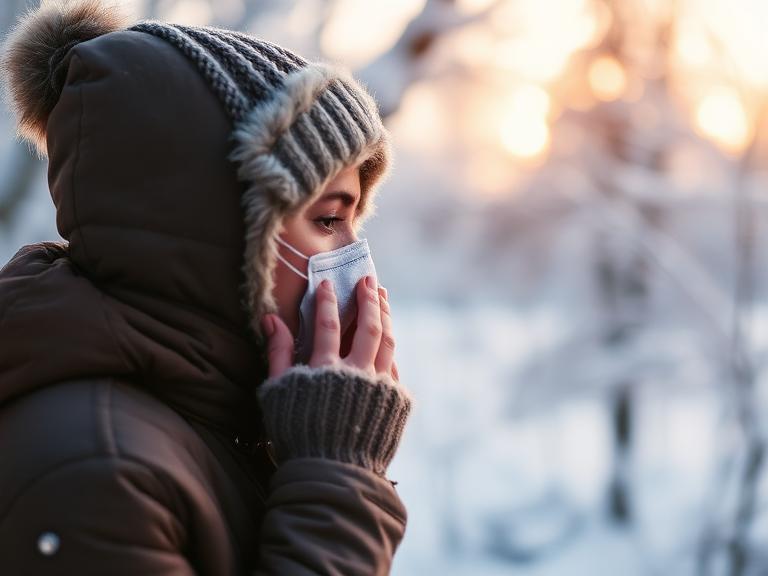
Winter is the time when cough, cold, flu, asthma flare-ups, and chest infections rise sharply in both children and adults. The cold air, low humidity, and increased time spent indoors all contribute to a higher risk of illness. Strengthening your respiratory health and taking preventive measures can drastically reduce winter-time sickness. This blog explains practical, doctor-approved steps you can take to protect yourself from common winter respiratory infections, especially during peak cold months.
Why Winter Increases the Risk of Respiratory Illnesses
When temperatures drop, the air becomes dry and harsh. Breathing cold, dry air irritates the respiratory lining, making it easier for viruses and bacteria to enter the body. This is why winter respiratory infections are more common in people with asthma, bronchitis, and reduced immunity. Spending more time indoors also leads to stale air, allowing viruses to circulate more easily. Supporting your body’s respiratory health becomes essential to stay protected throughout the season.
1. Keep Indoor Air Clean and Moist
Indoor air quality plays a major role during winter. Poor ventilation traps dust, allergens, and pathogens inside the home. To avoid winter respiratory infections, you should keep windows slightly open for cross ventilation, clean fans and AC filters regularly, and avoid burning incense or smoking indoors. Using a humidifier can help maintain moisture in the air, which reduces throat irritation and keeps your respiratory health stable. Try keeping indoor humidity between 40%–60% for best comfort.
2. Stay Warm and Cover Your Nose Properly
Cold air directly triggers irritation in the airway. Children, older adults, and people with asthma experience more difficulty breathing in cold weather. Wearing scarves or masks when stepping outside helps warm the air before it enters the lungs, preventing sudden airway tightening and reducing winter respiratory infections risk. This simple step also protects your respiratory health by minimizing exposure to chilled winds that can worsen chest congestion.
3. Prioritize Immunity-Boosting Foods
A strong immune system is your best defense during winter. Include foods rich in vitamin C, zinc, antioxidants, and protein. Citrus fruits, spinach, almonds, ginger, turmeric, lentils, and warm soups support your overall respiratory health. These foods help your body fight off viruses and reduce the severity of winter respiratory infections. Stay hydrated as well, warm water, soups, and herbal teas keep mucous membranes moist and functioning smoothly.
4. Maintain Hygiene and Reduce Germ Exposure
Hand hygiene is one of the simplest but most effective ways to prevent respiratory diseases. Washing hands before eating, after coming home, and after coughing or sneezing minimizes the risk of spreading winter respiratory infections. Sanitizing commonly touched surfaces like door handles, mobile phones, and keyboards further protects your respiratory health. Avoid sharing towels, bottles, or cutlery during winter outbreaks.
5. Get Flu Vaccination and Stay Updated on Boosters
Annual flu shots significantly lower the chances of getting severe winter respiratory infections. Individuals with asthma, COPD, diabetes, or elderly patients should never skip their seasonal vaccines. It works by preparing your immune system to better respond to viral attacks and helps protect your long-term respiratory health. Vaccinations are especially important for people who live in crowded homes or frequently use public transport.
6. Practice Safe Indoor Heating
Room heaters are helpful but can dry out the air if used incorrectly. This dryness can irritate the airway lining, increasing susceptibility to winter respiratory infections. To maintain good respiratory health, place a bowl of water near the heater, or choose oil-filled heaters that do not burn oxygen. Avoid using old coil heaters that release dust or burnt particles.
7. Continue Physical Activity
Cold weather often reduces physical activity, but movement is essential for lung function and immunity. Even light exercises like walking, yoga, and stretching improve respiratory health by increasing lung capacity. Staying active also helps prevent winter respiratory infections by strengthening the body’s natural defenses. Indoor workouts are a great alternative when outdoor temperatures are too low.
Conclusion
Winter is a challenging season for the lungs, but simple preventive steps can help you avoid infections and breathing problems. Focusing on clean indoor air, proper warmth, strong immunity, good hygiene, and timely vaccinations will reduce the risk of winter respiratory infections and support overall respiratory health. With consistent care, your lungs can stay strong, healthy, and protected throughout the cold months.
