


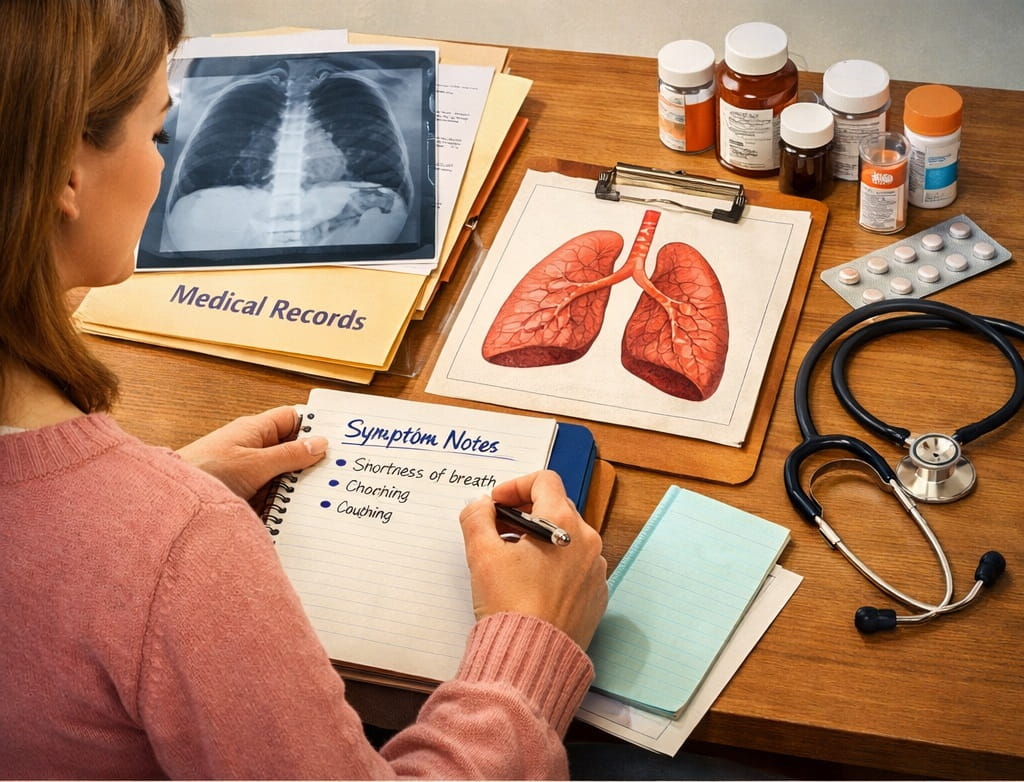
The first time it is possible to visit a pulmonologist may be confusing and even a bit scary. You are not aware of the questions that are going to be asked or what you are supposed to come with. A pulmonologist is a physician that assists with the issues of the lungs and breathing, therefore, your appointment is an initial step towards a better feeling. The appointment may be made less stressful with proper preparation. You will be able to clarify your symptoms and interpret the advice the doctor gives you in a better way when you are ready. A mere visit planning saves time and assists the doctor in providing the appropriate care. Confidence and less worry also arise because one knows what to expect.
How to Prepare Your first appointment with a Pulmonology.
You should also plan prior to visiting a place so that you can maximize on your visit. They will aid you on your path to make sure that you are at ease and willing to talk about your health.
Write down your symptoms
Name the basic items that you are feeling. Note the point of problem arising, the frequency of its occurrence and the manner in which it is exacerbated or relieved. Such symptoms as dyspnea, cough, chest tightness, or wheezing. Clear details help the doctor to learn more concerning your case.
Bring your medical history
In case you have any previous reports, test results or X-rays, have them with you. Record all your illness, allergies or operations. You can also add whether anyone in your family has breathing difficulties. This background information provides the pulmonologist with the complete picture of your health.
List current medicines
List all medications you use, inhalers, tablets, syrups or supplements. Record the dose and the frequency of use. Even the medicines that are taken sometimes are worth mentioning. This is useful in preventing side effects and conflicts of the medicines.
Prepare your questions
You can have questions you would like to ask before the appointment. You might be interested in knowing the cause of your symptoms, the tests you require or how you will be helped with treatment. Note taking is a way to avoid forgetting the questions to ask during the visit.
Know your daily habits
You must be ready to talk about your style of life. Report on sleep, physical activity, school or work-related stress, or smoke or pollution. Honesty will also help the physician to suggest better treatment and healthy changes.
Conclusion
The first visit with pulmonology will become a beginning of better health and breathing. It may also put you at ease and it may also lead the doctor to understand you better. Even the most elemental operations like writing a list of symptoms, carrying reports and making questions may be profound. Due to your active involvement in your care, the visit will become more useful and less stressful. You enter your treatment process with confidence, decency and trust because you are well prepared and free to communicate.
